Research · 4 min de leitura
SELF-KNOWLEDGE · · 3 min read
Your memories belong to a context
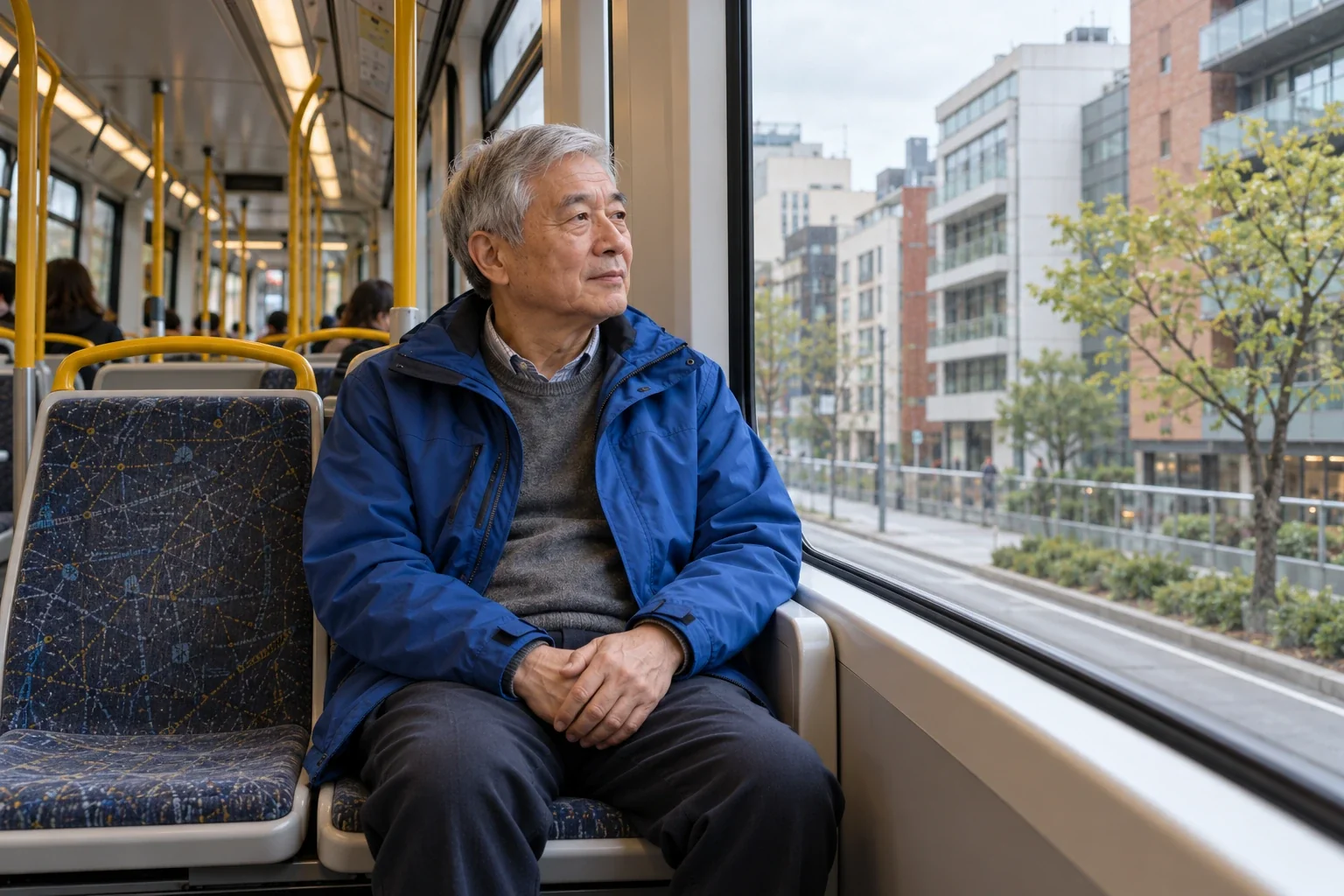
A familiar sound or an ordinary journey may bring a small detail of your life to mind. Another setting may make the same memory difficult to describe. Before judging yourself from one moment, notice the conditions: where you are, what invited the thought and whether you want to share it.
A memory is not a performance you owe another person. You may choose a quiet, neutral detail and leave a painful experience alone. Recognizing that context can shape an account also invites patience when listening to someone else. Their pace and choice of detail do not need to match yours.
An exercise in noticing
If it feels comfortable, notice one neutral autobiographical detail that comes to mind during an ordinary, safe moment. Privately record the detail and the context in which it appeared. You do not need to retrieve a difficult event, check accuracy or compare yourself with someone of another age. This adult editorial prompt is not memory training, a diagnostic screen or trauma treatment.
Question: What does the setting help you notice about your experience?
An educational editorial exercise, not a clinical protocol.What the research investigated
Vannia A. Puig Rivera and colleagues at the University of Arizona, Northeastern and TGen, USA, used momentary surveys in two adult studies (3,847 and 217 participants). The second was preregistered and included a laboratory interview. Older adults reported more specific everyday autobiographical thoughts than younger adults; the interview showed the opposite age pattern. Language analyses supported the everyday pattern. First online: 8 January 2026.
Limitations: These age-group associations do not show that aging improves memory or that every recollection is accurate. Smartphone participation, self-report and when people answered constrain generalization. The study does not diagnose an individual, establish effects in children or test these books and this prompt. Memory concerns deserve appropriate assessment.
Vannia A. Puig Rivera et al. Enhanced episodic specificity and socioemotional content in older adults’ everyday autobiographical thoughts. PNAS 123(2), e2513990123. First online: 2026-01-08. DOI: 10.1073/pnas.2513990123.
Source checked on 01 November 2026. Earlier research revisited today; no claim of scientific novelty or evidence for the books.
Read the primary source →Original research date: 2026-01-08.
Entirely fictional example
Entirely fictional example: Haruto notices the sound of a tram and recalls a routine journey with a friend. He writes down one neutral detail without treating it as a test of memory or proof of change. He is not a research participant.
An invented example for reflection, not a research report, testimonial or evidence.Keywords: self-knowledge, autobiographical memory, context, adulthood
Download the Instagram image → · Copy or download the caption →
Editorial connection with O MÉTODO EU
The editorial link with O MÉTODO EU is observing an experience together with its circumstances before making a judgment about yourself. The independent study does not demonstrate the book’s effectiveness or validate this exercise.
A thematic connection made by the editorial team. These sources do not test the book’s effectiveness; the people mentioned are not presented as readers or endorsers of the book.Outros livros, edições e lojas
- Read the free sample and view editions
- View this Portuguese edition on Amazon Brazil
- Read the free sample and view editions
- View this Portuguese edition on Amazon Brazil
- Consulte os benefícios Prime na AmazonCapa comum — ideal para a prática do métodoVer na Amazon Brasil ↗*Consulte a elegibilidade Prime e as condições de entrega na Amazon. Publicidade · link de associado.
- United States · English — The Me Method ↗
- France · Français ↗
- 🌐 Choose from 13 Amazon stores →
Share: WhatsApp, Instagram, image and link
Instagram: download the image and choose it from your gallery in Instagram. Copy the caption below; use the link sticker in Stories.