Research · 4 min de leitura
SELF-KNOWLEDGE · · 3 min read
When keeping up takes more effort
You can finish two similar jobs in the same amount of time and come away feeling very different. One goes smoothly; the other takes more care to get right. If you judge the day only by what you got done, you might miss that difference when you decide what to take on next.
Before accepting another task, check both the time you have left and how the last task felt. Perhaps you can finish a simple job and leave the detailed work for a quieter stretch. The choice depends on what you can move and who else needs to know.
An exercise in noticing
Pick an ordinary, low-stakes task that you do more than once. At two different times, write a few words about what you finished and a few about how much effort it took. Note what was different in the setting, such as interruptions or time pressure. Consider whether you would arrange the next task differently. This is an adult reflection, not a fatigue test or a treatment plan.
Question: What would you plan differently if you counted the effort a task took as well as the time it took?
An educational editorial exercise, not a clinical protocol.What the research investigated
Raymond Hernandez and colleagues, including researchers at the University of Southern California and the University of California San Diego, analysed individual data from six studies involving 1,088 participants in the United States. Clinical and non-clinical samples repeatedly rated fatigue in daily life and completed a brief symbol-matching task. Feeling more tired than usual and performing faster than usual were each associated with a slightly stronger link between higher reported fatigue and slower task performance at later checks. The authors interpreted this pattern as a lower capacity to maintain speed while feeling tired.
Limitations: This was an observational analysis of previously collected data. It cannot show that working quickly causes later difficulty or that changing your schedule will prevent it. Symbol-matching speed is one narrow measure and does not establish how someone will do at work or at home. The study did not test the reflection exercise.
Raymond Hernandez et al. Fatigue and processing speed predict subsequent fatigue override, evidence from a coordinated analysis of six EMA studies. Communications Psychology, published online September 18, 2026. DOI: 10.1038/s44271-026-00537-1.
Source checked on 08 November 2026. Earlier research revisited today; no claim of scientific novelty or evidence for the books.
Read the primary source →Original research date: 2026-09-18.
Entirely fictional example
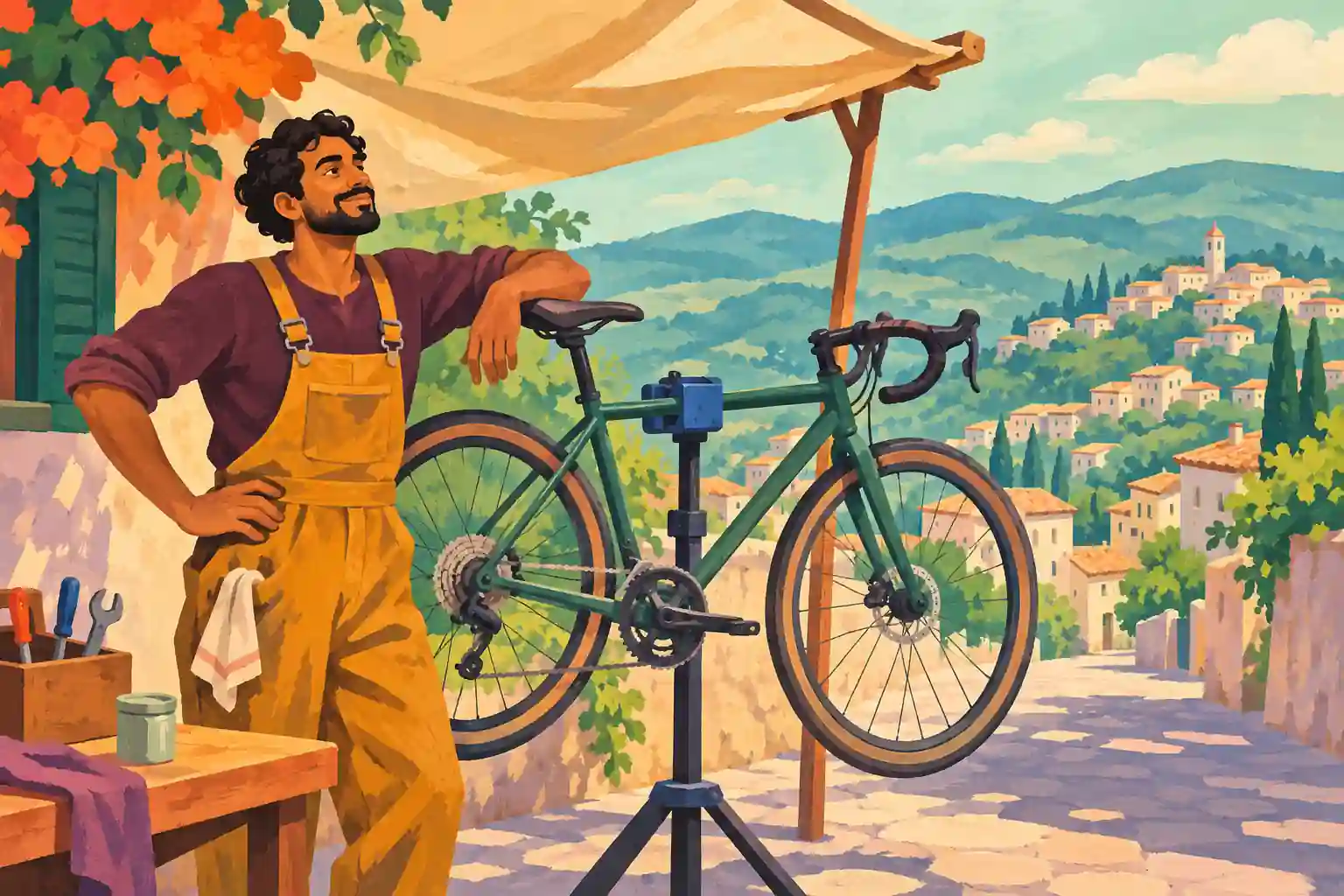
Entirely fictional example: Maya finishes adjusting a bicycle in the usual time, but notices that it took more effort to keep track of each step. She agrees to sort the spare parts now and asks a colleague to help schedule the next repair. The scene is invented and is not an example of the test used in the study.
An invented example for reflection, not a research report, testimonial or evidence.Keywords: self-knowledge, mental fatigue, effort, pacing, daily tasks
Download the Instagram image → · Copy or download the caption →
Editorial connection with O MÉTODO EU
The editorial connection to O MÉTODO EU is noticing the difference between a result and what it took to get there, then deciding what you can reasonably take on next. The study did not evaluate the book.
A thematic connection made by the editorial team. These sources do not test the book’s effectiveness; the people mentioned are not presented as readers or endorsers of the book.Outros livros, edições e lojas
- Read the free sample and view editions
- View this Portuguese edition on Amazon Brazil
- Read the free sample and view editions
- View this Portuguese edition on Amazon Brazil
- Consulte os benefícios Prime na AmazonCapa comum — ideal para a prática do métodoVer na Amazon Brasil ↗*Consulte a elegibilidade Prime e as condições de entrega na Amazon. Publicidade · link de associado.
- United States · English — The Me Method ↗
- France · Français ↗
- 🌐 Choose from 13 Amazon stores →
Share: WhatsApp, Instagram, image and link
Instagram: download the image and choose it from your gallery in Instagram. Copy the caption below; use the link sticker in Stories.